
Thinking about selling your home in Prosper, Celina, McKinney, Frisco, or the greater Dallas–Fort Worth area? One of the smartest steps you can take happens before the first buyer ever walks through your door: scheduling a pre-listing home inspection.
Most homeowners prepare to sell by focusing on curb appeal, fresh paint, landscaping, and staging. But what about the parts of your home buyers can’t immediately see?
An aging HVAC system, hidden plumbing leak, roof damage, or foundation concern can quickly change the course of a real estate transaction. Discovering these issues during the buyer’s option period can lead to unexpected repair requests, price negotiations, or closing delays.
A pre-listing home inspection gives you the opportunity to identify potential problems, make informed decisions, and prepare your home for the market on your terms.
At Cornerstone Property Inspection, we’ve served North Texas homeowners since 2016. Here are seven common issues a pre-listing inspection can help sellers get ahead of before putting their homes on the market.
1. Unexpected Foundation Concerns
In North Texas, foundation performance is one of the most important considerations when evaluating a home’s condition.
Much of the Dallas–Fort Worth area has expansive clay soils that swell as they absorb moisture and shrink during dry conditions. Over time, changes in soil moisture can contribute to foundation movement.
Signs of potential foundation concerns may include:
- Cracks in interior walls, ceilings, or exterior masonry
- Doors or windows that stick or no longer close properly
- Uneven or sloping floors
- Separation around windows, doors, or trim
- Evidence of previous foundation repairs
Not every crack indicates a significant structural problem. However, buyers may become concerned when these conditions first appear in their inspection report.
Why inspect before listing?
A pre-listing inspection helps identify visible indications of possible movement so you can determine whether additional evaluation is appropriate.
At Cornerstone Property Inspection, we offer ZipLevel foundation elevation mapping, which can provide additional information about elevation differences across a foundation.
Having this information before listing can help you address concerns and organize relevant documentation rather than scrambling for answers during the buyer’s option period.

2. Roof Damage You Didn’t Know Existed
North Texas homeowners are no strangers to severe thunderstorms, hail, and high winds.
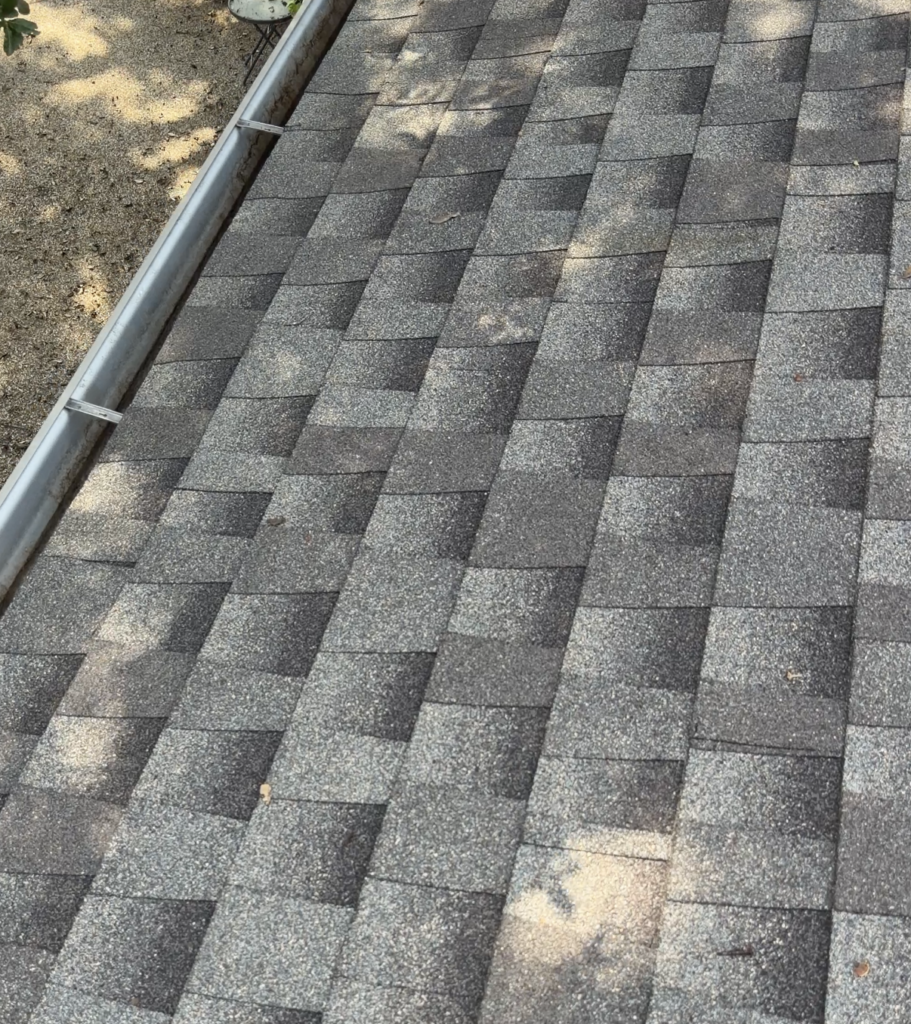
While some storm damage is immediately apparent, other roof deficiencies can go unnoticed from the ground.
Common findings include:
- Missing, loose, or damaged shingles
- Deteriorated flashing around roof penetrations
- Exposed fasteners or improperly sealed roof components
- Signs of previous roof leaks
- Damaged or deteriorated roof coverings
Roof-related concerns can become a significant point of negotiation, particularly when buyers begin considering repair expenses or insurance requirements.
Why inspect before listing?
Identifying visible roof deficiencies ahead of time gives you an opportunity to arrange repairs, obtain further evaluations, or gather documentation about previous roof work.
A roof that has been maintained and properly documented can help buyers approach the transaction with greater confidence.
3. HVAC Problems That Surface at the Worst Time
Texas summers put substantial demands on heating and cooling equipment.
Your air conditioner may seem to be working because the house feels comfortable, but that doesn’t necessarily mean every component is performing as intended.
During a home inspection, an inspector may identify concerns such as:
- Inadequate cooling performance
- Damaged or deteriorated ductwork
- Improper condensate drainage
- Missing or damaged insulation on refrigerant lines
- Electrical or safety deficiencies associated with HVAC equipment
- Heating equipment that does not operate properly
Imagine accepting an offer on your home only to discover during the option period that the buyer’s inspector has identified HVAC deficiencies.
Suddenly, you’re trying to arrange service appointments while negotiating a repair request.
Why inspect before listing?
An early inspection gives you time to investigate deficiencies, have equipment serviced, and gather maintenance records before buyers begin asking questions.
For homeowners in Prosper, Frisco, McKinney, Celina, and surrounding communities, addressing HVAC concerns before listing can be especially valuable during the warmer months.
4. Plumbing Leaks and Drainage Issues
Small plumbing problems are easy to overlook during everyday life.
A slow drip beneath a sink or a toilet that occasionally runs may not seem urgent. But once documented in an inspection report, those items can contribute to a buyer’s concerns about the home’s overall maintenance.
Common inspection findings include:
- Leaking faucets, fixtures, or drain connections
- Loose or improperly secured toilets
- Water heater deficiencies
- Improperly installed drain components
- Evidence of moisture damage around plumbing fixtures
- Drainage concerns around the home’s exterior
For older North Texas properties, the condition of underground drain lines can also become an important consideration.
Why inspect before listing?
A pre-listing inspection allows you to identify readily observable plumbing deficiencies and correct smaller problems before they become negotiation points.
Cornerstone also offers sewer scope inspections, which can provide additional information about the condition of accessible underground sewer lines beyond what a standard visual home inspection can reveal.
5. Poor Drainage Around Your Foundation
One issue North Texas sellers shouldn’t overlook is how water moves around their homes.
Proper drainage is especially important in areas with expansive clay soils. When moisture conditions vary around a foundation, the supporting soil may expand and contract unevenly.
Potential drainage concerns include:
- Soil or landscaping sloping toward the foundation
- Standing water near exterior walls
- Downspouts discharging water directly beside the home
- Erosion around the foundation
- Excessive moisture accumulation in landscaped areas
Homeowners sometimes become accustomed to these conditions without realizing how they may affect the property.
Why inspect before listing?
Identifying drainage concerns early gives you time to evaluate practical improvements, such as correcting downspout discharge locations or addressing negative grading.
These improvements may also benefit the home’s long-term maintenance, whether you’re preparing to sell immediately or planning to list several months from now.
6. Small Safety and Maintenance Issues That Add Up
Not every inspection finding involves a major expense.
In fact, a home inspection can identify several relatively minor deficiencies that, when combined, make a property appear poorly maintained.
Examples include:
- GFCI receptacles that do not operate properly
- Missing or improperly installed smoke alarms
- Loose handrails
- Damaged weather stripping
- Doors or windows that do not function correctly
- Missing or damaged electrical cover plates
- Leaking faucets or fixtures
- Damaged exterior trim or deteriorated caulking
Individually, many of these items may be straightforward to address.
However, a buyer reviewing a report with numerous deficiencies may begin questioning how well the property has been maintained.
Why inspect before listing?
A pre-listing inspection allows you to create a prioritized repair list.
Instead of reacting to a buyer’s lengthy inspection report, you can address appropriate maintenance items on your own schedule and enter the market better prepared.
7. Last-Minute Negotiations During the Buyer’s Option Period
Perhaps the greatest advantage of a pre-listing inspection isn’t identifying any particular defect.
It’s having more time to make decisions.
In a typical Texas residential real estate transaction, the buyer may negotiate an option period during which they can conduct inspections and evaluate the property.
When unexpected findings arise, buyers may request repairs, financial concessions, or changes to the contract.
For sellers who are simultaneously purchasing another home, coordinating movers, or working toward a specific closing date, those unexpected negotiations can create uneccesary friction.
Why inspect before listing?
A pre-listing inspection helps you understand your property’s condition before negotiations begin.
With that information, you can:
- Complete repairs before listing.
- Obtain estimates for larger projects.
- Gather warranties, service records, and repair documentation.
- Discuss appropriate disclosures with your real estate professional.
- Make more informed decisions about pricing and negotiations.
The goal isn’t to produce a perfect inspection report. Very few homes are entirely free of deficiencies.
The goal is to eliminate as many avoidable surprises as possible.
What Does a Pre-Listing Home Inspection Include?
A pre-listing inspection is a professional evaluation of a home’s accessible systems and components.
In Texas, licensed home inspectors conduct standard residential inspections according to the Texas Real Estate Commission (TREC) Standards of Practice, using the applicable TREC Property Inspection Report.
A typical inspection evaluates:
- Structural systems, including the foundation, roof, attic, walls, ceilings, doors, and windows
- Electrical systems
- Heating, ventilation, and air conditioning systems
- Plumbing systems and fixtures
- Built-in appliances
- Other accessible systems and components included within the TREC inspection standards
At Cornerstone Property Inspection, we also offer specialized inspection services, including thermal imaging, ZipLevel foundation elevation mapping, and sewer scope inspections, when appropriate for the property and selected inspection package.
These services can provide additional information beyond the scope of a standard home inspection.
Should You Repair Everything Before Selling Your Home?
Not necessarily.
One of the benefits of scheduling an inspection before listing is the ability to evaluate findings and develop a plan.
Some deficiencies may warrant immediate attention, particularly those involving safety hazards, active leaks, or conditions that could lead to additional property damage.
Other items may be better addressed through additional professional evaluation, documentation, or appropriate disclosure.
For example, an older HVAC system that is functioning properly may not need replacement simply because of its age. Similarly, a previously repaired foundation may warrant gathering repair records and warranty information rather than automatically undertaking additional work.
Your real estate agent can help you consider repair priorities and marketing strategy, while qualified contractors or specialists can evaluate and address specific deficiencies.
Texas sellers should also understand their disclosure obligations. A pre-listing inspection may provide information relevant to completing the Seller’s Disclosure Notice.
When Should You Schedule a Pre-Listing Inspection?
Ideally, schedule your inspection two to four weeks before listing your home.
This gives you time to:
- Review your inspection findings.
- Schedule appropriate repairs or specialist evaluations.
- Collect receipts, warranties, and service documentation.
- Coordinate with your real estate agent.
- Prepare your home for photography, showings, and listing.
If you anticipate substantial repairs or renovations, scheduling even earlier may be helpful.
Whether you’re preparing to sell a recently constructed home in Celina or an established home in Plano, the earlier you understand your property’s condition, the more flexibility you’ll have.
Frequently Asked Questions About Pre-Listing Home Inspections in North Texas
Is a pre-listing inspection worth it?
For many sellers, yes. A pre-listing inspection provides valuable information about the home’s condition and helps identify deficiencies before a buyer’s inspection. It can be particularly beneficial when sellers want time to complete repairs or prepare documentation.
Will buyers still get their own home inspection?
Many buyers choose to hire their own inspectors, even when the seller provides a recent inspection report. A pre-listing inspection helps you prepare for that process rather than replacing the buyer’s independent evaluation.
How much does a pre-listing inspection cost in North Texas?
Pricing depends on factors such as the home’s square footage, age, and additional inspection services requested. Contact Cornerstone Property Inspection for a quote based on your property.
Should I inspect a newer home before selling?
Absolutely worth considering. Newer homes can still have construction-related deficiencies, drainage concerns, HVAC issues, or maintenance needs. Age alone doesn’t determine a home’s condition.
Can a pre-listing inspection help if I’m selling my home as-is?
Yes. Selling as-is doesn’t prevent buyers from inspecting the property or eliminate applicable seller disclosure requirements. Understanding the home’s condition can help you prepare accurate disclosures and anticipate questions from prospective buyers.
Do you provide pre-listing inspections throughout North Texas?
Yes. Cornerstone Property Inspection serves homeowners throughout Prosper, Celina, McKinney, Frisco, Plano, Allen, Aubrey, Denton, Little Elm, and the greater Dallas–Fort Worth Metroplex.
Schedule Your Pre-Listing Home Inspection in North Texas
Don’t let unexpected inspection findings put your home sale at risk. Get ahead of costly surprises, last-minute negotiations, and closing delays with a pre-listing home inspection from Cornerstone Property Inspection.
Proudly serving Prosper, Celina, McKinney, Frisco, Plano, Allen, Aubrey, Denton, Little Elm, and the greater DFW Metroplex since 2016, with detailed, same-day inspection reports.
Schedule Your Pre-Listing Inspection Today!
Call (972) 764-8512, email schedule@cornerstone-usa.com, or BOOK YOUR INSPECTION ONLINE.
Know your home. Avoid surprises. Sell with confidence.
Recent Comments